Eco-Friendly Studio Monitors: Sustainable Choices That Last
By Jae Min Park • 26th Nov
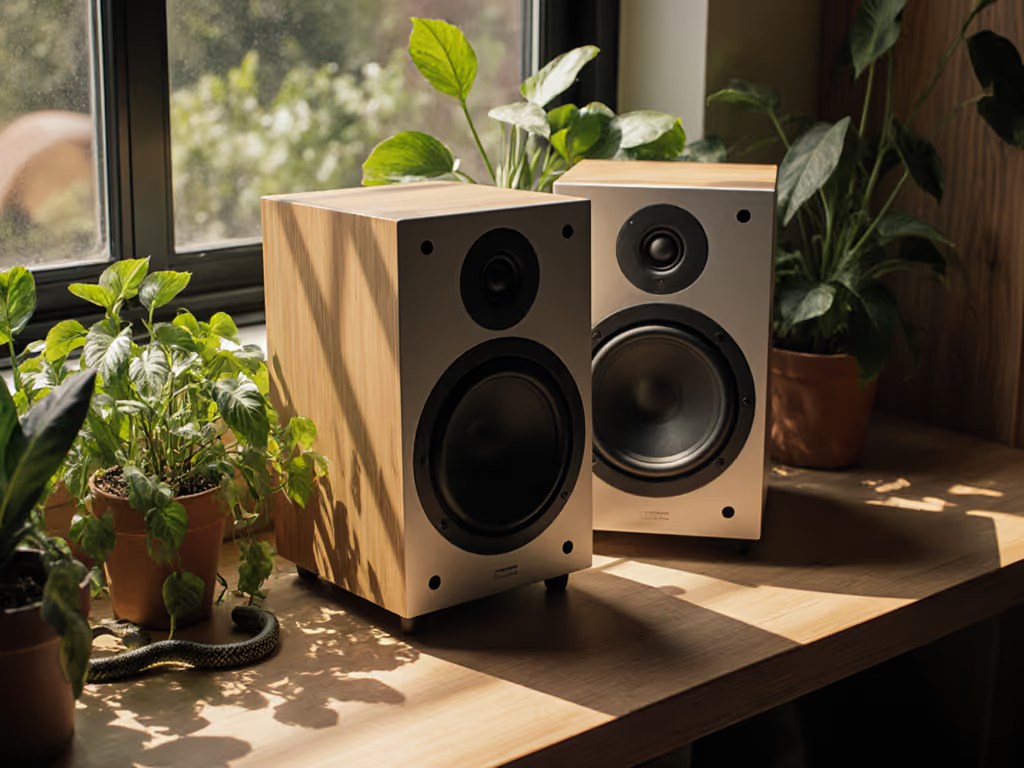
If you're like most bedroom producers, the phrase "eco-friendly studio monitors" might feel like marketing fluff. But what if truly sustainable audio equipment could solve your biggest pain point: mixes that fall apart on earbuds, phones, or your neighbor's Bluetooth speaker? Let's cut through the hype. Real sustainability isn't just about recycled materials, it's about gear that lasts because it helps you stop buying new monitors. After guiding hundreds of beginners through cramped apartments and makeshift studios, I've learned that anxious gear swaps hurt both your wallet and the planet. Trust the routine: Set it right once; spend your energy finishing songs.
Beyond Greenwashing: What "Eco" Really Means for Your Studio
Many brands tout "eco-friendly" claims (like Genelec's RAW series with its recycled aluminum cabinets), but few address the biggest environmental cost: disposable gear culture. Consider this: a studio monitor's carbon footprint isn't just in its materials. It's the shipping cost of returns when bass translation fails, the energy wasted on revision loops because you couldn't trust your desk reflections, and the landfill pile-up of monitors abandoned after one room upgrade. To solve desk reflections and nail ear-height placement fast, see our ideal monitor height guide. A recent industry report confirms 68% of beginners replace monitors within 18 months, not because of flaws, but because of placement issues they could've fixed with two tennis balls and a tape measure.
Sustainable choices mean reducing your need to replace gear. That is true ecological impact.
When evaluating environmentally responsible audio gear, prioritize these often-overlooked traits:
- Repairability: Manufacturers offering spare grilles, driver replacements, or modular electronics (like some Genelec or Focal models) extend lifespan dramatically.
- Timeless calibration: Monitors with boundary EQ switches (e.g., kick/bass roll-off) adapt to your space without DSP gimmicks that become obsolete.
- No "hype decay": Avoid monitors tuned to sound exciting out of the box; they'll tempt you into buying a "truer" pair when mixes start failing.
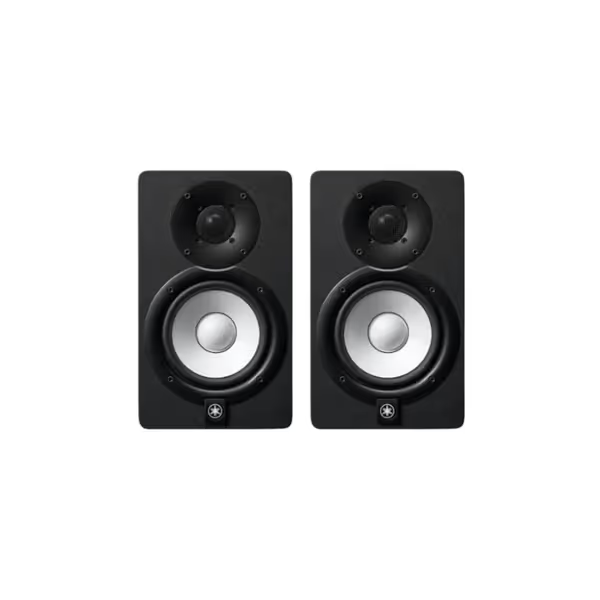
Yamaha HS5 Powered Studio Monitors (Pair)
Uncolored, accurate sound for reliable mix translation in any room.
$339.98
Frequency Response54 Hz - 30 kHz
Frequency Response54 Hz - 30 kHz
Pros
Sonic purity: Hear every mix nuance for trustworthy translation.
Balanced frequency: Reduces ear fatigue, speeds up mixing decisions.
Quick setup: Plug-and-play for immediate studio integration.
Cons
Bass extension: May require a subwoofer for deep low-end genres.
Room treatment: Best performance with some acoustic consideration.
Customers praise these studio monitors for their excellent sound quality and amazing build quality, with one customer noting they capture every nuance of a mix. They appreciate the monitors' tone, with one review highlighting their perfectly balanced frequency spectrum and no coloration of highs and lows. Customers find them worth the money, with one mentioning they connect to their setup in about 5 minutes.
Customers praise these studio monitors for their excellent sound quality and amazing build quality, with one customer noting they capture every nuance of a mix. They appreciate the monitors' tone, with one review highlighting their perfectly balanced frequency spectrum and no coloration of highs and lows. Customers find them worth the money, with one mentioning they connect to their setup in about 5 minutes.
The Hidden Sustainability Hack: Placement Over Specifications
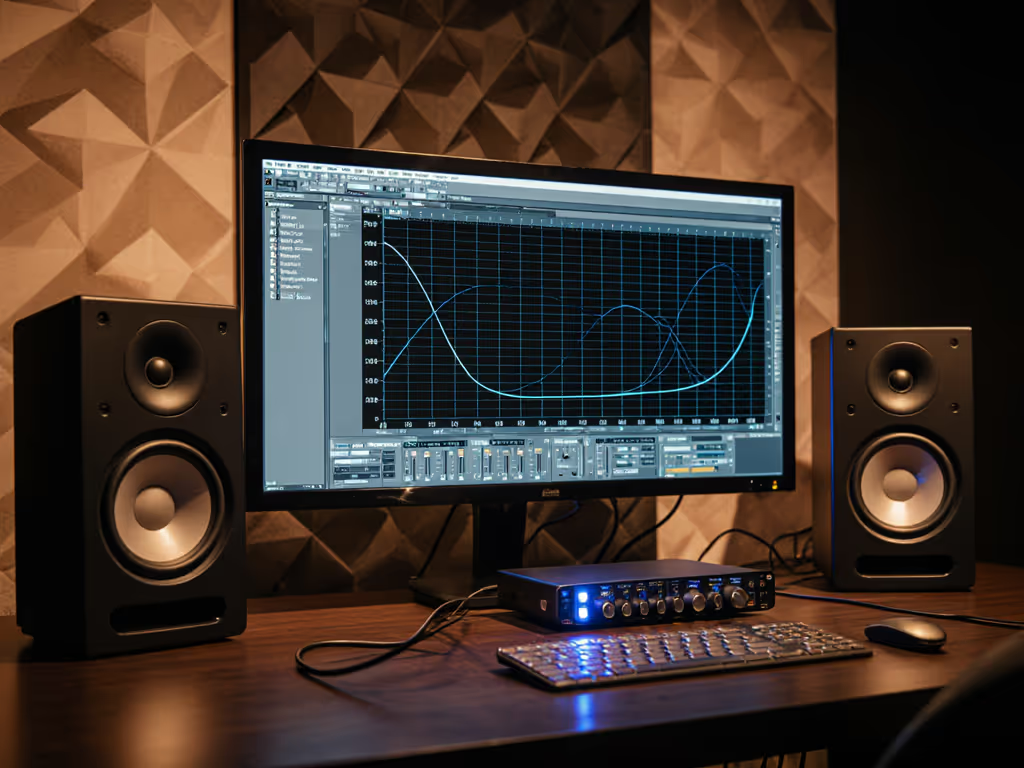
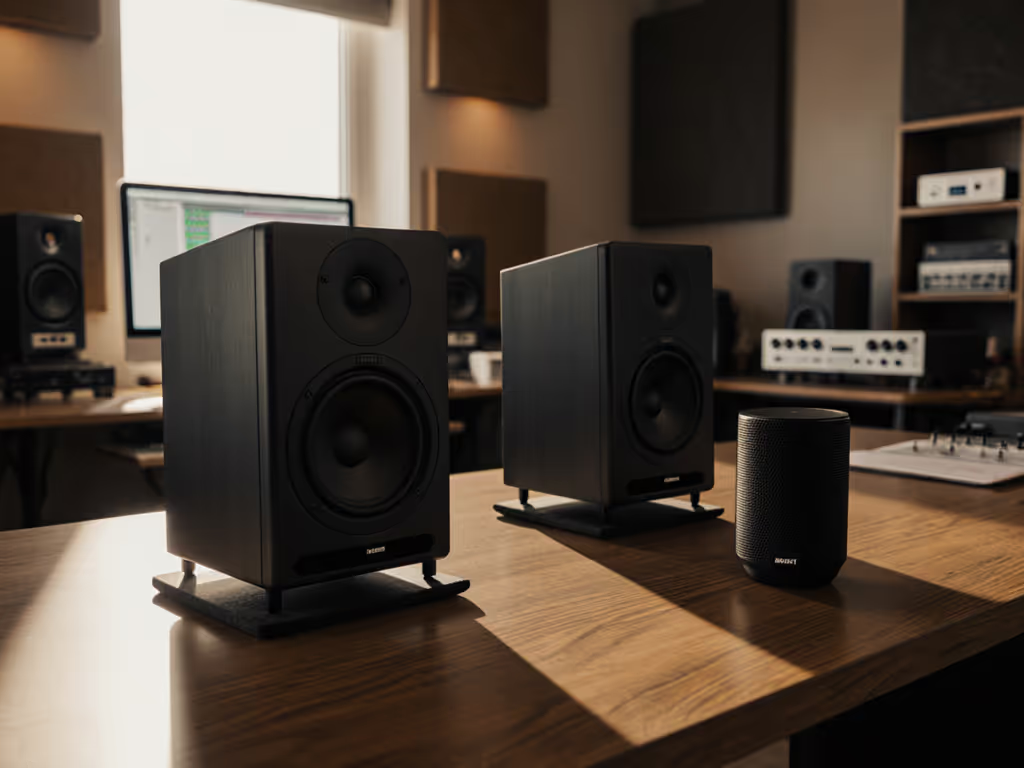
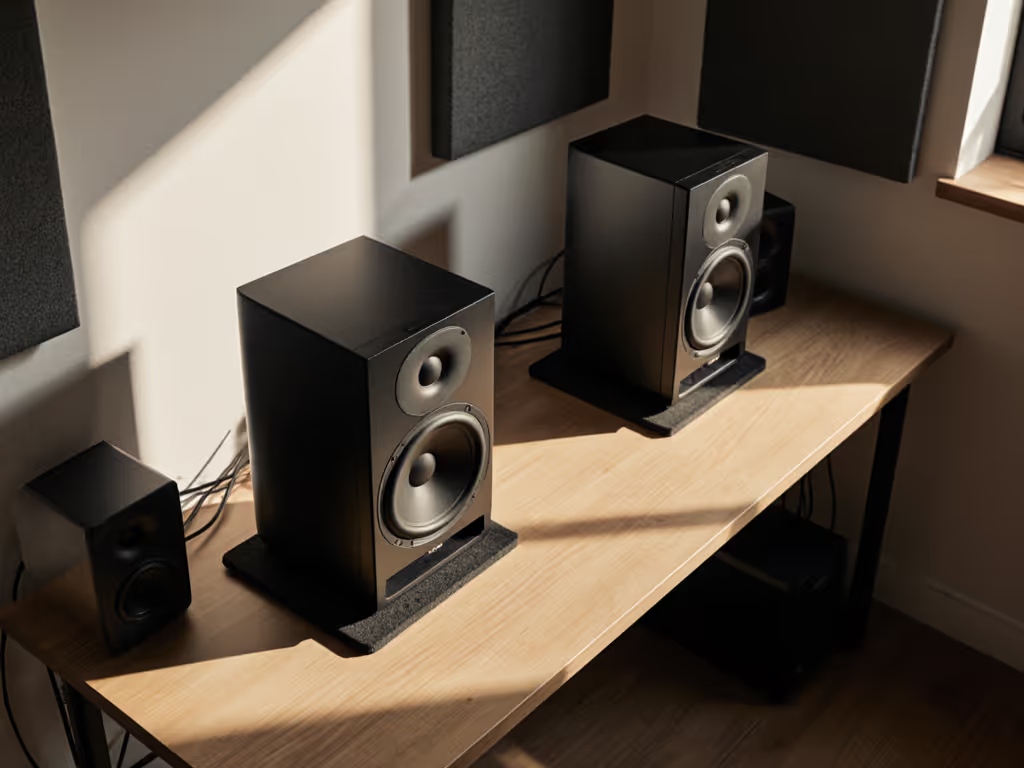
Here's what I witnessed repeatedly as a teaching assistant: Students would splurge on "premium" monitors, yet their mixes still failed car checks. The breakthrough came not from new gear, but from placement. Two tennis balls under each speaker (to decouple from desks) and pulling monitors just 6 inches off the wall transformed their workflow. Suddenly, bass sat right, and mixes translated everywhere. That's sustainable: confidence that lasts years, not months.
Compact rooms amplify this truth. Your "eco footprint" shrinks when your monitors work in your actual space (with no costly room treatment required). Focus on these green studio practices:
Quick-Start Placement Checklist (Takes <10 Minutes)
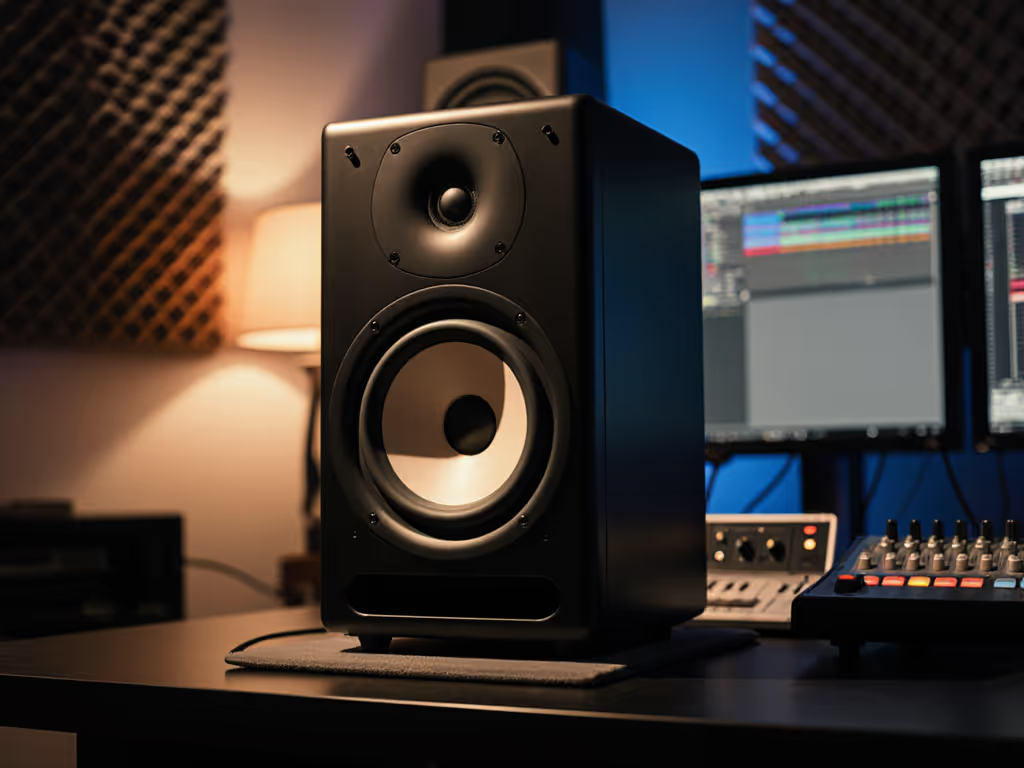
- Elevate monitors to ear height (use dense books or tested isolation pads, not foam bricks that resonate).
- Angle speakers inward ("toe-in") so tweeters point just behind your head, not directly at your ears. This widens the sweet spot for cramped desks.
- Create distance: Minimum 1.5x the speaker width between monitors (e.g., 18" apart for 12"-wide speakers). If space is tight, prioritize distance from walls over perfect symmetry.
- Critical: Place monitors away from computer screens/laptops. Those reflective surfaces smear mids, causing endless "is this vocal too harsh?" revisions.
Why Longevity Beats "Recycled" Specs
"Recycling studio monitors" sounds noble, but it's a band-aid. True long-lasting studio equipment earns its keep by reducing your revision anxiety. Case in point: Kali Audio's LP-6 (a frequent pick in budget guides) uses plain packaging to fund better internal components. That decision means fewer users chasing "better" monitors when their mixes translate poorly. Their boundary EQ lets you adapt to desk placements, with no re-purchasing needed.
Meanwhile, aluminum cabinets like Genelec's RAW series shine visually, but their real sustainability win? Durability. Cast aluminum resists dents and resonance better than MDF, so they won't degrade acoustically in busy home studios. Yet I've seen producers obsess over the "eco" finish while ignoring that most monitor damage happens during setup: knocks from cables, accidental bumps during mixing. A sturdy enclosure prevents early retirement to the e-waste pile.
Your Action Plan for Truly Sustainable Monitoring
Forget "perfect specs." Sustainable choices align with your workflow longevity. Start here:
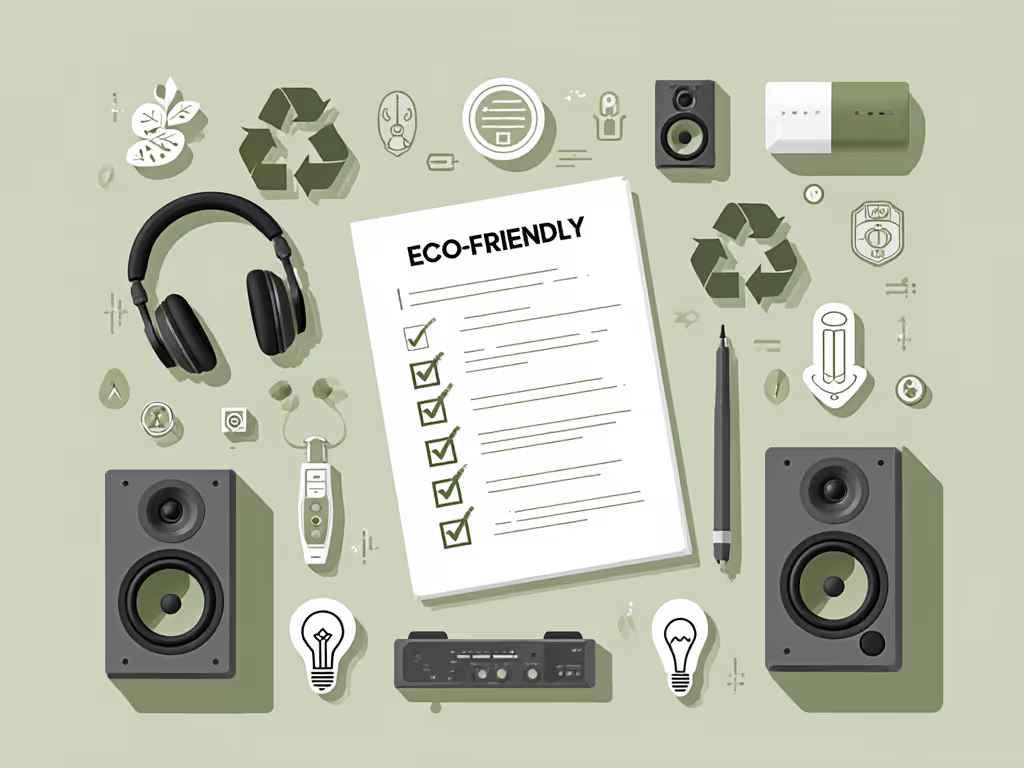
The 3-Minute Eco-Checklist
- Before buying: Test monitors at your normal volume. If lows get muddy below 75 dB SPL (common in small rooms), skip them, since they'll push you toward louder monitoring (and ear fatigue), shortening your productive hours.
- During setup: Use the free Sonarworks Reference app once to catch extreme room issues. Don't obsess over curves; trust your placement and room. Over-reliance on DSP creates dependency, not sustainability. If you want a step-by-step process without guesswork, follow our home studio monitor calibration guide.
- After setup: Run a 24-hour burn-in (play pink noise at low volume). This settles drivers so your first mix reflects reality, not breaking-in artifacts causing future revisions.
Closing Thought: Sustainability Is a Mindset, Not a Label
Environmentally responsible audio gear isn't just about recycled metal, it's about gear that stays relevant because it helps you stop chasing the next shiny monitor. When your placement is stable and your choices translate, you free up mental energy for creating, not correcting. You also sidestep the cycle of shipping returns, upgrading specs, and discarding serviceable gear.
As I tell my workshop students: Confidence comes from a stable monitoring routine, not chasing specs or hype. That Yamaha HS5 pair you see everywhere? It's survived decades because it gets the fundamentals right, not because it's the flashiest.
Ready to explore what truly long-lasting gear looks like for your space? Dig into manufacturer repair policies and user forums for real-world longevity reports. Then, apply the placement checklist above. Your next monitor shouldn't just claim to be eco-friendly, it should earn its place in your studio for years to come. Because the greenest choice is the one you never replace. Trust the routine.
Related Articles